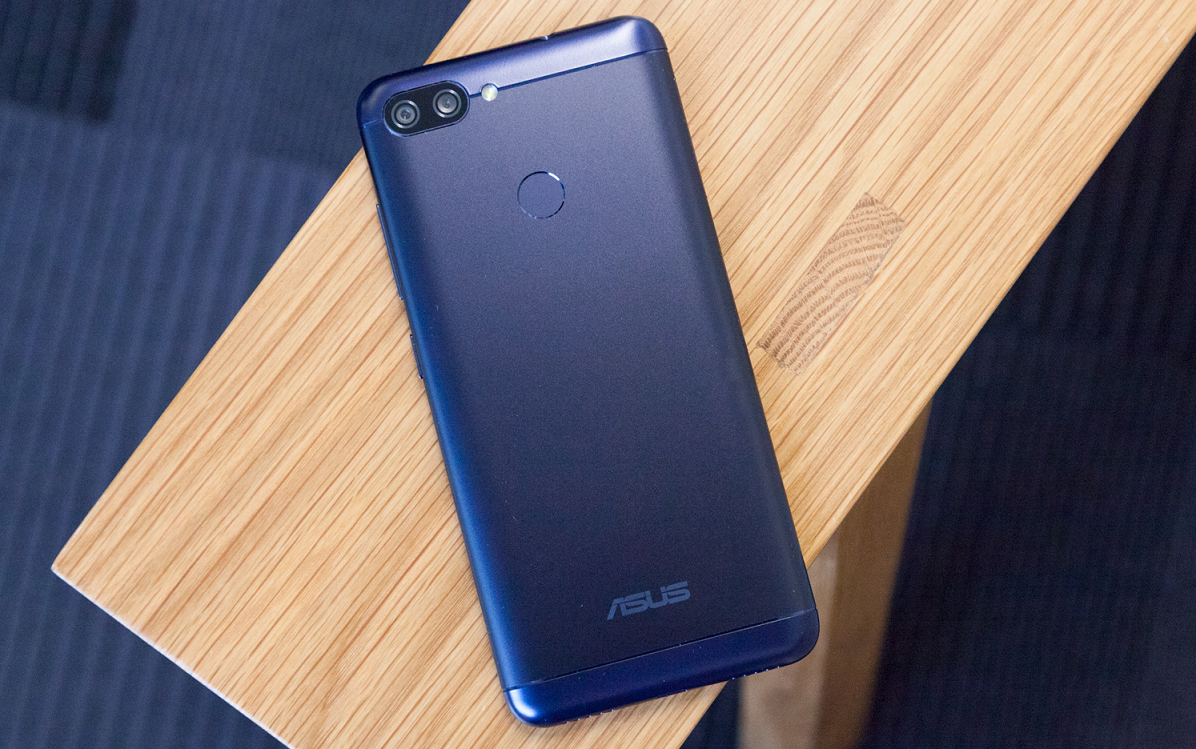
Zenfone Max Plus Review and Specs

The ASUS ZenFone Max Plus M1 came out earlier this year and it is the first Asus branded handset with an 18:9 near-borderless display. This is a budget device but have a bunch of impressive things like a 5.7″ full-view slim-bezel display, dual rear-facing cameras, and a software-based face unlock. You can buy it through Lazada via Cash On Delivery and Nationwide Shipping.

Design and Display

ASUS was a little late in joining the 18:9 party but they did make a good entrance as the ZenFone Max Plus’ 5.7-inch FHD+ IPS display checks the right boxes. It has vibrant colors, excellent viewing angles, and good color reproduction and accuracy. Not to mention, the screen is able to push out more pixels due to its smaller size and higher resolution. The company made the right move equipping the device with a Full HD screen rather than an HD one. This allows users to have a more immersive and full viewing experience, which the phone rightfully delivers.

The phone has a metallic unibody finish and gives off the aura of a premium device thanks to its 18:9 display and relatively sturdy build. However, the device is quite slippery due to its smooth finish, and the back is a fingerprint magnet. Thankfully, ASUS included a silicon case in the package to address that pesky problem. Nevertheless, it’s still easy to grip, is relatively lightweight and feels good in the hands.
Software

The Zenfone Max Plus runs on ZenUI 4.0 on top of Android 7.0 Nougat, which introduces a number of new features such as face unlock, which by the way is fast, simple, and works well, at least most of the time. There’s the PowerMaster app, which lets you change battery modes depending on what you’re doing, manage apps, and use the phone as a powerbank for charging other devices. It has also Twin Apps, which let you login to two separate accounts in for example, Facebook, by creating a copy of the app. Then there’s Game Genie, which lets you capture screenshots, record your gameplay, and search for useful tips without hassle.

It has a few distinct features like One hand operation, Multi-window, Easy mode, Kids mode, ZenUI safeguard, the aforementioned Audio Wizard and a few more under the ASUS customized settings menu. The UI is actually really clean and has its own app drawer which users can easily access by swiping upward. The notifications tab, accessed by swiping downward, offers a wide variety of shortcut toggles. Not to mention, it also features reverse charging, making it a phone and a power bank in one.

Performance

Under the hood of the Zenfone Max Plus is a MediaTek MT6750T Octa-core processor, Mali T860 GPU, and 4GB of RAM. Mundane tasks such as texting, home screen navigation, browsing, and general media consumption won’t be a problem for the device. Even multitasking is a breeze thanks to the hefty 4GB RAM. Heavier workloads though, such as gaming and other graphical activities will take a performance hit, but that’s not to say that the device isn’t capable of doing such tasks.

Speaking of gaming, light to moderate games such as Candy Crush, Zombie Tsunami, Vain Glory, and Mobile legends are playable with enjoyable framerates and minimal lag. Heavier games though, like Iron Blade: Medieval RPG and Asphalt: Airborne suffers from frame drops and pushes the device a bit. Even so, heavy gaming is still somewhat possible although don’t expect to be able to run every game you throw at it. Heat, on the other hand, can be felt throughout the entire back of the device after prolonged gaming sessions, so be sure to take a few breaks in between games.

Camera

The Zenfone Max Plus is equipped with an 8MP f/2.0 front camera and a dual 16MP standard view + 8MP wide-view rear. It has all the features we are familiar with today — Beauty, Pro, Super Resolution, GIF Animation, Panorama, Time Lapse, Portrait and a set of 9 filters for the rear and Auto, Beauty, Selfie Panorama, GIF Animation, Portrait, and a set of 9 filters for the front. It also has ASUS’ Selfie Master app, which includes Beauty Live, Collage, Slideshow and a shortcut to Video recording.

Images produced by the rear cameras are quite good, especially in brightly-lit conditions. They have good sharpness, color reproduction, and clarity although they do lose vibrancy once you shift to dimmer and warmer light sources. Macro shots are good with enough background blur to allow for creative shooting and the wide-angle lens does its job as intended. Low-light performance though, is only decent at best as background noise and grain becomes noticeable.

The front camera is actually quite the performer too. Selfies taken in brightly lit environments have great quality, sharpness, color reproduction, and accuracy. Not to mention, you have at your disposal the Selfie Master app and different beauty customizations that aren’t overly face-erasing, then again maxing everything out does make you look like a Barbie doll. Low-light performance, on the other hand, isn’t the best as images now have evident noise and grain.

Battery

ASUS is touting the device as a “Battery King” and as such equipped it with a very respectable 4,130mAh battery. On paper, that kind of battery capacity should provide ample screen time and device operation of at least a day or two. Sadly, the ZenFone Max Plus falls short of that expectation, by a large margin. During our standard 1080p video loop test (Airplane mode at 50% brightness and 0% volume) the phone only lasted a mere average of about 11 to 11.5 hours. Even PC Mark’s battery test (Work 2.0) rates it at such low numbers– at about 8.5 to 9.5 hours. Charging time isn’t that bad though for a 4,130mAh battery, as it took about 2 hours and 3 mins for it to go from 0-100%.

Full Specifications:

  • 5.7-inch FHD+ IPS display @ 2160 x 1080px, 424 ppi
  • 2.5D curved glass
  • 1.5GHz Octa-core 64-bit MediaTek MT6750T
  • Mali-T860MP2 GPU
  • 4GB RAM
  • 32GB internal storage
  • expandable via microSD
  • Dual 16MP f/2.0 + 8MP f/2.4 wide-angle AF rear cameras w/ LED flash
  • 8MP front camera w/ screen flash, Face Unlock
  • 4G LTE
  • Dual SIM Dual standby
  • WiFi
  • Bluetooth 4.0
  • GPS, A-GPS
  • Gyroscope
  • Fingerprint scanner
  • ASUS ZenUI 4.0 (Android 7.0 Nougat)
  • 4,130mAh battery
  • 152.6 x 72.7 x 8.8 mm
  • 160 g
  • Colors: Black, Silver, Gold
Redmi 6 Pro Review and Specs: with a Notch

The new Redmi 6 Pro is Xiaomi‘s attempt to bring mid-range features to the budget segment and keep up with the times. It’s essentially the Mi A2 Lite, which launched globally last month, except in India. However, unlike the Mi A2 Lite, the Redmi 6 Pro isn’t an Android One phone, running Xiaomi’s proprietary MIUI skin instead of stock Android. You can buy it through Lazada via Cash On Delivery.

Display and Design

Redmi 6 Pro offers a 5.84-inch Full HD+ display with a 19:9 aspect ratio with a pixel density of 432 pixels per inch. The IPS LCD is rich and vibrant and the text and images appear crisp. The viewing angles are pretty good and the display is bright enough to be readable in bright sunlight. It’s a tad oversaturated, but you can tune the color saturation and warmth levels to your preference if you want more natural colors.

The Redmi 6 Pro looks like, well, most other Redmi smartphones. Xiaomi settled on this design language awhile ago, and though it’s started to get a little boring, most users apparently don’t mind. There’s no differentiation in design, but if it ain’t broke don’t fix it, as they say. The metal unibody design with rounded edges works in this price range, where durability is an important consideration. The device feels solid and looks like it can take a few scratches or bumps.

Software

The Redmi 6 Pro runs on MIUI 9.6 based on Android Oreo 8.1 and the July Security patch. There’s nothing new here if you have used a Xiaomi smartphone released anytime this year. There are a few apps which come pre-installed, such as Facebook, Netflix, NewsPoint, Amazon and PhonePe, but nothing you can’t uninstall.

MIUI is super stable otherwise and I did not come across a single instance where the animations hung up or an app crashed. Multitasking and even using the multi-window feature worked just as they were meant to. But given the number of budget smartphones we see rocking Android One these days, it’s hard to argue why one wouldn’t opt for a stock build of Android.

Performance

Xiaomi Redmi 6 Pro is powered by the Qualcomm Snapdragon 625 SoC, Xiaomi’s staple ingredient for most of its devices for this segment. The 14nm octa-core chipset offers a good balance of horsepower and efficiency on a budget, which makes it a fine choice. The phone comes in two memory variants, packing in 3GB of RAM and 32GB of internal storage or 4GB of RAM and 64GB of internal storage. Storage is expandable up to 256GB with microSD card.

In regular day-to-day usage, I didn’t encounter any wobbles or lag. Extensive multitasking and multi-tabbed browsing was a breeze. You’ll have to wait for a few seconds when launching some heavy apps though, especially when there are too many apps in the background. This is obviously not much of a gaming phone. At lowest settings, some games run fine, but others are choppy. PUBG runs on lowest settings and sometimes gets choppy, with occasional frame drops. However, the phone didn’t get very hot, even when stressed.

Camera

The Xiaomi Redmi 6 Pro packs in a dual-camera setup at the back with a 12MP primary sensor with a f/2.2 aperture and a secondary 5MP f/2.2 depth sensor. There’s the LED flash as well as PDAF and electronic image stabilization (EIS).

For its price, the camera on the Redmi 6 Pro fares well. Photos shot in daylight outdoors are quite good with a good amount of details and sharpness. The dynamic range could’ve been a tad better though. Low light photography is the Achilles heel of most budget smartphones and Redmi 6 Pro is no different. In low light conditions, it’s hard to get a great shot. There’s a noticeable shutter lag, and the lack of optical image stabilization means you really have to hold the phone steady for a stable shot. There’s also considerable noise in photos taken indoors and in low light conditions.

The Portrait mode on the Redmi 6 Pro does well for its price. It does a good job at edge detection in most cases. The bokeh shots can look artificial sometimes.

The 5MP front camera with f/2.0 aperture does an okay job at selfies. Sometimes in good lighting conditions, you can manage quite rich and vibrant selfies. There are of course artificial intelligence shenanigans in the AI portrait and AI beauty modes if vanity is your thing.

Battery

The Redmi 6 Pro features a large 4,000 mAh battery which puts it ahead of most of its competitors. Xiaomi did claim the battery to be a ‘two-day battery’ and that claim does turn out to be true. This is a battery which will last you close to two days with moderate usage and by that I mean, texting, watching videos and streaming music for about an hour or two, working with a lot of emails, browsing and making a dozen phone calls a day.

You do have to wait close to two hours to juice the battery up though since there’s no fast charging here. You get a standard 5V 2A charger in the box which doesn’t help your cause.

Full Specifications:

  • Android 8.1 Oreo, MIUI 9.0
  • Dual SIM
  • 5.84-inch FHD+ IPS display, 2280 x 1080 resolution, ~432ppi
  • 2.0GHz Qualcomm Snapdragon 625 octa-core processor
  • 3GB/4GB RAM
  • Adreno 506
  • 32GB/64GB internal storage, expandable via microSD up to 256GB
  • 5-megapixel front camera
  • 12-megapixel (f/2.2) +  5-megapixel (f/2.2) dual rear cameras, PDAF, LED flash
  • Fingerprint scanner, AI face unlock
  • 4G LTE, HSPA+
  • WiFi 802.11 a/b/g/n, dual-band
  • Bluetooth 4.2
  • GPS, A-GPS, GLONASS, BDS
  • Infrared blaster
  • microUSB 2.0
  • Dimensions: 149.3 x 71.7 x 8.8mm
  • Weight: 178g
  • Colors: Red, Rose Gold, Blue, Black
  • 4000mAh Li-Po non-removable battery

Xiaomi Redmi 6 Review – Best Budget Phone

This is the Redmi 6 – yet another budget phone from Xiaomi. The device costs about $150 but as usual to Xiaomi, it offers quite a lot of value for the price. Packed with relatively powerful hardware for the price and a pair of cameras that take great photos, this affordable phone is destined to make waves in the budget segment of the market. You can buy it through Lazada via Cash On Delivery.

Display and Design

Redmi 6 sports a smaller 5.45-inch LCD display with an aspect ratio of 18:9. This is disappointing, considering its predecessor offered a larger display in a slightly bigger from factor. Nonetheless, it boasts of 720 x 1440 pixels in resolution and 295 pixel per inch density for clear visuals. The screen could only get to 72.7% screen-to-body ratio.

Software

Redmi 6 runs MIUI 9.6 on top of Android 8.1 Oreo. If you have used MIUI and like the user interface, you’ll feel at home while using this smartphone. Xiaomi has made lots of customisations that deviate from the stock Android experience, but there are a few useful features. There is support for multiple gestures and you can also use gesture navigation instead of the traditional navigation buttons. The Redmi 6 features face recognition which lets you unlock it. It isn’t the quickest, but it worked in most lighting conditions.

There are useful additions like Dual Apps, which lets you run two instances of supported apps such as WhatsApp and Facebook, among others. Second Space lets you keep files, messages, and other data locked down. MIUI also has an inbuilt App Lock that lets you restrict access to apps using your fingerprint. While MIUI has some interesting features, it does come with a fair amount of bloatware. Microsoft’s suite of apps come preinstalled, along with Amazon, Netflix, Facebook, PhonePe, and UC Browser. Xiaomi’s own apps including Mi Community, Mi Video, Mi Store, Mi Drop, Security, and Cleaner also find spots on the Redmi 6. Apart from the Google Play Store, there’s another store called Apps. We found some of Xiaomi’s apps to be spammy, and annoying notifications kept on popping up. While you can go ahead and uninstall most of these apps, some can only be disabled.

Performance

he Helio P22 powering the Redmi 6 managed to surprise us with its performance. We could go through the menus and scroll through MIUI without any noticeable lag or stutter. However, like with most low-end processors, it takes some time to load heavy apps. We also saw instances when the Redmi 6 had to reload apps since they were no longer in memory.

We ran a couple of benchmarks to gauge the performance of the Redmi 6, and got some interesting results. It scored 75,723 points in AnTuTu, and 820 and 3580 in Geekbench 4’s single-core and multi-core tests respectively. It managed 584 in 3DMark Slingshot, 8051 in 3DMark Ice Storm Extreme, and 26fps in GFXBench T-Rex. The Redmi 6 is faster than its predecessor, the Redmi 5, in almost every test.

The Redmi 6 was capable of running PUBG but switched to the lowest settings by default. The game was playable but we did notice input lag.

Camera

Redmi 6 is packed with a 12-megapixel camera with a 5-megapixel secondary shooter with a f/2.2 aperture lens. Image quality is good when taking photos in bright light, with great detail. The sensors do take a hit when taking photos in areas where there are dimly-lit portions though, like the photo below of a car in an alley. There’s quite a bit of noise on the car, which shows us the limits of the camera in low-light. The 5MP selfie camera is decent enough with enough light, though it suffers from the same problems as the main camera in low light.

Battery

Redmi 6 packs 3000mAh battery which can cover up for an entire day with moderate use, such as calls, texting, streaming videos, listening to music and occasional selfie sessions. Note that the 720p display and a power efficient chip has to do a lot for that full-day stamina. With the 5V/1A charger, you can top up this phone from nothing within 2 hours.

Full Specifications:

  • Android 8.1 Oreo, MIUI 9
  • Dual SIM, Dual Standby (Nano, Hybrid)
  • 5.45-inch HD+ IPS display, 1440 x 720 pixel resolution, ~295ppi
  • 2.0GHz MediaTek Helio P22 octa-core processor
  • PowerVR GE8320
  • 3GB / 4GB RAM
  • 32GB / 64GB internal storage, expandable via microSD up to 256GB
  • 5-megapixel front camera
  • 12-megapixel (f/2.2) + 5-megapixel dual rear camera, PDAF, LED flash
  • Fingerprint scanner, Face Unlock
  • HSPA+, 4G LTE
  • WiFi 802.11 a/b/g/n/ac, dual-band
  • Bluetooth 5.0
  • GPS, A-GPS, GLONASS, BDS
  • Infrared blaster
  • FM Radio
  • microUSB 2.0, OTG compatible
  • Dimensions: 147.5 x 71.5 x 8.3mm
  • Weight: 146g
  • Colors: Gold, Rose Gold, Blue, Grey
  • 3,000mAh non-removable battery

Xiaomi Redmi 5 Plus Review and Specs

Xiaomi is no stranger in the Philippine market, it’s actually considered one of the go-to brands if you want a bang-for-the-buck device. In fact, the company’s devices have often been branded as “God Phones” due to their competitive specs at affordable price tags. You can buy it through Lazada via Cash On Delivery.

Display and Design

Xiaomi has equipped the Redmi 5 Plus with a trending 6″ display of 1,080 x 2,160px resolution. The Redmis are the next midrange series to adopt the 18:9 wide aspect ratio. The tall screen is the single most important change on the 5 Plus feature list.

Stretching the 1080p resolution across a 6″ display doesn’t hurt the Redmi 5 Plus, which still keeps a respectable 403ppi. We enjoyed sharp images and no pixelization whatsoever. Xiaomi promises 1000:1 contrast and a maximum brightness of 450 nits. In our tests it surpassed both promises with a maximum brightness north of 500 nits and an excellent contrast at 1431:1. The black levels are quite deep too.

Software

Running the software department is Xiaomi’s very own MIUI 9 on top of Android 7.1.2 Nougat. The UI is your standard home screen affair, all apps can be accessed just by swiping left or right. Of course, if you’re not a fan of this kind of setup you could easily download your preferred launcher from the Play Store. It has your usual colorful Xiaomi vibe and layout.

The Redmi 5 Plus actually has minimal bloatware pre-installed. You have Mi Remote, MIUI Forum, and WPS office. Interestingly, all of these pre-installed apps are quite useful. Other than that, we have the usual Google apps and a few homebrew.

As for features, we get the full MIUI 9 experience. We also get second space, one-hand operation, dual apps, numerous buttons and gesture shortcuts, and a unique headphone and audio effect settings (identifies your Mi earphones or headset for additional settings). Overall, we get some great customization and shortcut options.

Performance

The phone is powered by a 2.0GHz Qualcomm Snapdragon 625 paired with an Adreno 506 GPU, 3GB RAM, and 32GB of internal storage. We’ve seen the 625 in action quite a few times now; it’s even present on the previous generation Redmi Note 4x. Mundane tasks such as UI navigation, browsing, and applications launching is a breeze. Multitasking is also quite possible thanks to the 3GB of RAM. Although, we did notice some lags when doing certain tasks such as transferring files or even gaming. 

As for gaming, the Adreno 506 is more than capable of running light to medium games like Candy Crush, Zombie Tsunami, and Mobile Legends smoothly. Heavier games though, like Tekken, Asphalt 8: Airborne, and Iron Blade will suffer a few frame drops unless graphical settings are set to medium or low. Either way, it’s enough to provide a good gaming experience. One thing to take note of though, is that the device heats up during prolonged gaming sessions, not to dangerous levels, but enough to make your hands sweat.

Camera

Xiaomi Redmi 5 Plus rear camera has a 12MP sensor with 26mm f/2.2 lens and 1.25µm big pixels and a 5MP front camera. Phase-detection autofocus, and a dual-tone flash complete the camera specs. There are 17 filters available with live previews. The camera also offers quite a few different shooting modes – Panorama, Timer, Audio, Straighten, Manual, Beautify, Group Shot, Tilt Shift, and Night (HHT) as well as the camera settings. Unfortunately, the Manual mode lets you tweak only ISO (100-3200), and white balance, but not shutter speed or focus.

You can capture only portrait panoramic photos with an 180-degree field of view. Shooting is easy and the resolution about 18MP (up 2,000px tall). The image quality is great – there is plenty of fine detail, accurate colors, and no signs of bad stitching. The dynamic range is great as is the contrast. The pano shots are somewhat softer than the regular shots, and the foliage isn’t as great, but those are still some fine shots.

Battery

Xiaomi Redmi 5 Plus’ 4,000mAh battery is pretty much identical with the Redmi Note 4’s. It has the same energy-efficient Snapdragon 625 under the hood but more screen real estate to light up. The Redmi 5 Plus supports regular 5V/2A charging, which restores about 29% of the battery in 30 minutes of charging.

Just as we expected, the Redmi 5 Plus easily scored an excellent result in our battery test with a 104-hour Endurance rating. It did a fabulous job in all tested scenarios – video playback, calls, web browsing and stand-by performance. The Redmi Note 4 has a higher 119h rating, the biggest difference coming from screen-on tests.

Full Specifications:

  • Android 7.1.2 Nougat, MIUI 9
  • Dual SIM, Dual Standby (Hybrid)
  • 5.99-inch Full HD+ IPS 2.5D Curved Glass Display, 2160 x 1440 pixel resolution, ~403 ppi
  • 2.0GHz 64-bit Snapdragon 625 octa-core processor
  • Adreno 506 GPU
  • 4GB RAM
  • 64GB internal storage, expandable via microSD card slot up to 128GB
  • 12-megapixel rear camera, f/2.2 aperture, PDAF, LED flash
  • 5-megapixel front camera, f/2.0 aperture, LED flash
  • 3G, HSPA+, 4G LTE, VoLTE,
  • Bluetooth v4.2
  • OTG suppport
  • WiFi, WiFi hotspot
  • Fingerprint scanner
  • IR Blaster
  • GPS, A-GPS
  • Dimensions: 158.5 x 75.45 x 8.05mm
  • Weight: 180g
  • 4,000mAh battery

Xiaomi Redmi S2 Review and Specs

Every new Redmi has a seemingly impossible task – to deliver more bang for your buck than the previous one. And to be cheaper, or worst-case scenario – same price. Any other maker may have said, “no-can-do,” but not Xiaomi. It keeps going against the odds, and here is the Redmi S2 to prove it and you can buy it through Lazada via Cash On Delivery.

Display and Design

Redmi S2 has a 5.99-inch display with an HD+ resolution of 1440 x 720 pixels. Thus, it achieves a pixel density of 269ppi. The display can’t keep up with current Full-HD panels, but the resolution is sufficient for a quite a sharp picture. Individual pixels can only be seen if you approach the display very close with your eyes. With normal use, the HD+ resolution does not have a negative impact. The display works with IPS technology and offers natural colours and provides a very good viewing angle stability. Compared to the Full-HD panel of Redmi 5 Plus, it is noticeable that it offers not only more sharpness but also an even stronger colour representation. Unfortunately, there is only the possibility to choose between cold, warm and standard in the display options, which does not bring any improvement. Overall, however, the colours are still sufficiently strong. As far as outdoor readability is concerned, the mobile phone is also convincing. 

Redmi S2 has a plastic casing, which gives the mobile phone its light weight of 170g. The smartphone feels less noble in the hand than Redmi Note 5 or Redmi 5 Plus with a metal casing. However, the phone is of high quality and there are no disturbing gaps or inaccuracies in the build quality. Thanks to the 18:9 format of the display, the smartphone is longer and narrower than conventional 16:9 mobile phones and can, therefore, be held comfortably in one hand. The dimensions of the smartphone are 160x77x8.1mm. Redmi S2 is a pleasantly slim phone, although the operation of the huge 6-inch display with one hand is quite difficult. 

Software

Xiaomi Redmi S2 is equipped with the latest Android 8.1 system. The MIUI system version 9.5, Xiaomi’s operating system, is installed over the Android base. Since its market release in China, Redmi S2 is also available as a global version. You should take care to buy Redmi S2 in the global version, as it has Google Play Store pre-installed and offers different languages. 

Xiaomi’s MIUI system is an optically strongly changed Android system with many function enhancements. In the version 9.5, MIUI offers a revised security centre in which the authorizations of individual apps can be edited down to the last detail. In addition, the system performance has once again been significantly improved compared to MIUI 8. It is also possible to set up a “Second Space”, with which you can call up a password-protected second system that has a separate app and file system. You can also clone individual apps, so you can use Facebook twice on your phone.

Performance

Xiaomi Redmi S2 with Qualcomm’s Snapdragon 625 SoC and an Adreno 506 graphics unit. The two processors are supported by 4 GB of RAM and 32 GB of eMMC flash storage. This hardware configuration is appropriate for a solid mid-range smartphone, and this or similar configurations can be found in other smartphones within this price bracket. The Snapdragon 625 was released in February 2016 and offers 8 cores at a clock speed of 2 GHz. The 14nm manufacturing process enables the chip to run with good energy efficiency, which in turn has a positive effect on the smartphone’s battery life. The Adreno 506 graphics unit provides the performance necessary for games and 3D applications to run smoothly. This mid-range GPU is already somewhat old, but it has no problem rendering more graphics-heavy games. Users only have to accept that load times may be somewhat longer.

Camera

The rear camera has 12-megapixels and an f/2.2 aperture. The sensor is supported by an additional 5-megapixel camera, which is used for portrait photos with depth of field. On the front, there is a 16-megapixel camera supported by KI software.

In the daylight, the camera produces very nice shots with a lot of details and a natural colour representation. The pictures look really great even on a large PC monitor and don’t have to hide behind those of much more expensive models. The autofocus works very reliably and quickly and a shutter release time is hardly perceptible. The difference to the more expensive Redmi Note 5 or even Xiaomi Mi A2 is getting smaller and smaller. The 16-megapixel front camera is also really impressive. It makes really beautiful pictures with a very high number of details and strong colours, as you are actually not accustomed to in this price range. When taking pictures, you should avoid backlighting, as the front camera then has problems with the white balance.

Battery

The battery of Xiaomi Redmi S2 has a capacity of 3080mAh. Together with the economical Snapdragon 625 processor and the low display resolution, this results in a good battery life. Compared to Redmi 5 Plus with 4000mAh, the battery is a bit smaller, but the display with HD resolution also needs less energy. At least in theory. In practice, however, there is a clear difference. Redmi S2 is clearly inferior to Redmi Note 5 and Redmi 5 Plus.

Full Specifications:

  • Android 8.1 Oreo, MIUI 9
  • Dual SIM, Dual Standby (Nano format, Hybrid)
  • 5.99-inch 18:9 HD+ display, 1440 x 720 pixel resolution
  • 2GHz Qualcomm Snapdragon 625 octa-core processor
  • Adreno 506 GPU
  • 3GB RAM
  • 32GB internal storage, expandable up to 256GB via microSD
  • 12-megapixel + 5-megapixel dual rear cameras with LED flash
  • 16-megapixel front camera
  • WiFi 802.11 b/g/n, WiFi hotspot
  • 4G LTE
  • Fingerprint scanner
  • micro USB
  • Bluetooth v5.0
  • GPS, A-GPS, GLONASS
  • 3,080mAh Battery

Huawei P20 Pro Review and Specs

The Huawei P20 Pro is a typical Chinese phone in that it has an overwhelmingly rich spec sheet and an eye-catching design. But it’s different in how effectively it capitalizes on its high specs and in how subtly beautiful it is. Instead of one color, Huawei has given this phone an iridescent gradient paint job that exudes sophistication. The combination of beauty and brawn here is topped off with IP67 certification for water and dust resistance. Every phone company wants to imbue its devices with a premium feel, but few succeed as well as Huawei has done with the P20 Pro. You can buy it through Lazada via Cash On Delivery.

Design and Display

The P20 Pro sports a huge 6.1-inch FullView OLED display, similar to the one they had with the Mate 10 Pro, with a resolution of 2240×1080 pixels. This brings the screen aspect ratio to an uneven 18.67:9 (rounded off to 18.7:9), a bit off from the usual 18:9 or 19:9 aspect ratio common to many other phones. In a way, it’s closer to the 18.5:9 aspect ratio of Samsung’s Galaxy smartphones.

The notch found in the P20 Pro is noticeably narrower and only houses the 24MP camera, a circular loudspeaker and a hidden sensor module in between. If you don’t fancy the sight of the notch, that can be easily fixed in the Display Settings and completely masked by darkening the strip of display on both sides. It’s a clever trick actually and gives the impression that the bezels are thicker along that side but retains its usefulness by still showing notifications and status icons (somewhat similar to how LG did it with the LG V10 and V20).

Software

The device comes with Android 8.1 Oreo right out of the box and customized with EMUI 8.1. The default layout of EMUI is a flat home screen with all the apps scattered across multiple home screens. To organize, you can just group the icons into folders. If you want the default layout with an app drawer, that can be easily done in the Settings.

EMUI 8.1 comes with options for a floating navigation dock, Smart Split screen to allow 2 apps sharing a single screen, and Smart Multi-Column Display for certain apps when oriented horizontally.

For navigation, you can choose from 3 options – an Off-Screen navigation button that relies on the fingerprint as some sort of trackpad; an On-Screen Navigation Key that floats just below the last row of icons/apps; or a Virtual Navigation Bar that’s normally found in Android navigations. Just pick one which you’re most comfortable with and stick with it to avoid confusion.

With EMUI 8.1 Huawei also introduced a new Face Recognition feature to quickly unlock your phone. Suffice it to say, face unlock is very fast in daylight or well–lit environments but tends to slow down to about 1 to 2 seconds in low-light scenarios. You have to option to automatically unlock the screen upon recognition or add a slide-up action on the screen first, just like in the iPhone X.

Performance

The P20 Pro is powered by the same HiSilicon Kirin 970 first introduced in the Huawei Mate 10 and Mate 10 Pro. This is composed of a high-performance, quad-core ARM Cortex A73 processor running at a max speed of 2.36GHz and a power-efficient quad-core ARM Cortex A53 running at 1.8GHz.

This is paired with a Mali G72-MP12 graphics processor and a dedicated Neural Processing Unit that handles AI-specific computational tasks. Standard memory option is 6GB of RAM and 128GB UFS 2.1 internal storage. Huawei intentionally skipped the microSD card slot.

The Huawei P20 Pro scored a high of 206,099 points in Antutu benchmark which is a huge jump from the 170k points we got with the Mate 10 Pro. This is attributed to better optimizations in Android 8.1 and the newer version of Antutu (v7 vs. v6) that we used. Multi-tasking is a breeze, gaming performance is very good and not once we’ve noticed the device is slowing down or lagging.

Camera

The Huawei P20 Pro, with its 3 camera setup at the back, is a first in any commercial phone. The primary 40-megapixel sensor is also the biggest in the market today.

The 3-camera setup works in conjunction with each other – the 40MP RGB sensor takes the primary colored image then combines it with the 20MP monochrome sensor for added detail and contrast. The 3rd camera is an 8MP telephoto lens that, when combined with the 40MP+20MP image, can produce up to 5x hybrid zoom. The built-in optical image stabilization and Huawei AIS helps minimize shakiness keeping the images crisp and blur-free for most of the time.

The front-facing camera of the P20 Pro has a 24-megapixel sensor with f/2.0 aperture and uses AI-driven 3D facial modeling to help in taking the best-looking selfies. The AI of the P20 Pro detects the scenes and automatically adjust the mode to adopt the right image processing. This produces better contrast and saturation like bluer skies or greener fields. Most of the time it’s spot on but sometimes, the results might not be what you expected. Needless to say, there’s a lot of post-processing done with photos in Auto mode.

Nevertheless, the camera is very powerful, images are sharp and capture a lot of details. The sensors can even go as high as ISO102,400 which is something we only see in professional dSLRs. The Pro Mode allows for granular control of the camera from auto/manual focus, shutter speeds of 1/4000 – 30secs and ISO 50 to 3200.

Battery

The Huawei P20 Pro packs a huge 4,000mAh Li-Ion battery, one of the biggest in its class. With Huawei’s track record in battery performance, we expect nothing less with the P20 Pro.

In our PC Mark Battery Test, the P20 Pro clocked in at 10 hours and 9 minutes at 50% brightness, zero volume and in airplane mode. Using our standard video loop test, the P20 Pro managed to last 17 hours and 45 minutes playing a full HD video at 50% brightness, zero volume and in airplane mode. These results are significantly better than many other smartphones we’ve tested before under the same conditions.

With Huawei SuperCharge, the battery can go from zero to full in just 90 minutes. Sadly, there’s no wireless charging support on the device. The charger that came with the box is the standard Huawei SuperCharge switching power adapter that has an output of 5A (4.5V) or 4.5A (5V).

Full Specifications:

  • 6.1-inch 18:9 OLED FullView display @ 2240 x 1080 resolution, 408ppi
  • 3D Glass
  • HiSilicon Kirin 970 octa-core processor
  • 4 x ARM Cortex A73 2.36GHz + 4 x ARM Cortex A53 1.8GHz + i7 Co-processor
  • Mali G72-MP12 GPU
  • 6GB LPDDR4 RAM
  • 128GB internal storage
  • 40MP f/1.8 RGB sensor + 20MP f/1.6 monochrome sensor + 8MP f/2.4 telephoto lens triple Leica cameras w/ Huawei AIS, 5x Hybrid Zoom, AI Image Stabilization, LED flash
  • 24MP front camera with AI beautification and 3D portrait lighting
  • 4K and 960fps video recording
  • AR support
  • 4G LTE Cat. 18 (1.2Gbps)
  • Single/Dual-SIM
  • GPS with aGPS support, GLONASS, BDS, GALILEO|
  • NFC
  • WiFi 802.11 a/b/g/n/ac, DLNA
  • USB Type-C
  • Bluetooth 4.2
  • IP67 certified
  • Fingerprint scanner
  • Infrared Remote Control
  • Android 8.1 Oreo (EMUI 8.1)
  • 4,000mAh Li-Ion battery with SuperCharge and AI battery management
  • 155.0 mm x 73.9 mm x 7.8 mm (dimensions)
  • 180 grams (weight)
  • Twilight, Pink Gold, Black, Midnight Blue

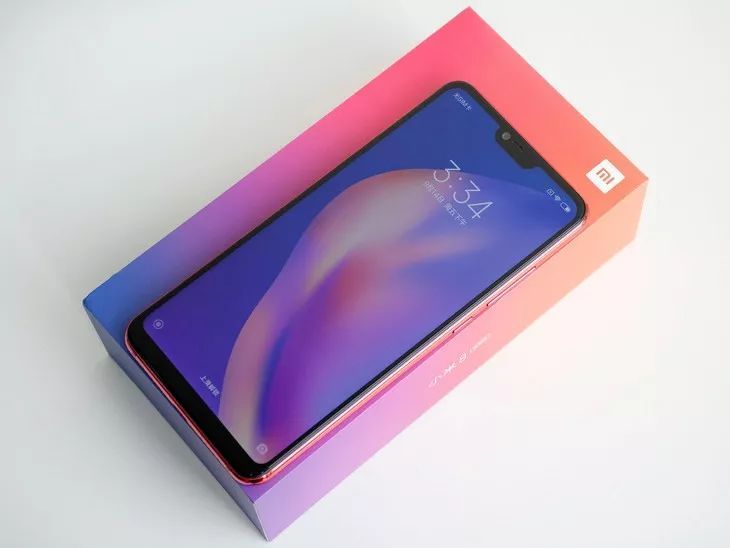
Xiaomi Mi 8 Lite Review and Specs w/ Gradient Color

Xiaomi pioneered the concept of the lite version of the mobile phone that was created for the younger group. The flagship model with the same appearance and not less performance stood at a low price. 6 years later, In Chengdu, Xiaomi released the Lite version of Mi 8 which relaying the “Lost” Lite series. The Xiaomi Mi 8 Lite is basically a more affordable variant of the Mi 8. You can buy it here in the Philippines through Lazada via Cash On Delivery.

Display and Design

Xiaomi Mi 8 Lite features a 6.26-inch 19:9 screen with 2280×1080 resolution, which is even slightly larger than the 6.21 inch of Mi 8. However, in the size of the fuselage, Xiaomi Mi 8 Lite is closer to Xiaomi Mi 8. That is to say, the Xiaomi Mi 8 Lite is not only visually pleasing, but also has an upper border of 2.68mm, a side of 1.95mm wide, and a tiny Notch. Compared with the brothers of the same generation, it has improved. The higher screen ratio is indeed expected.

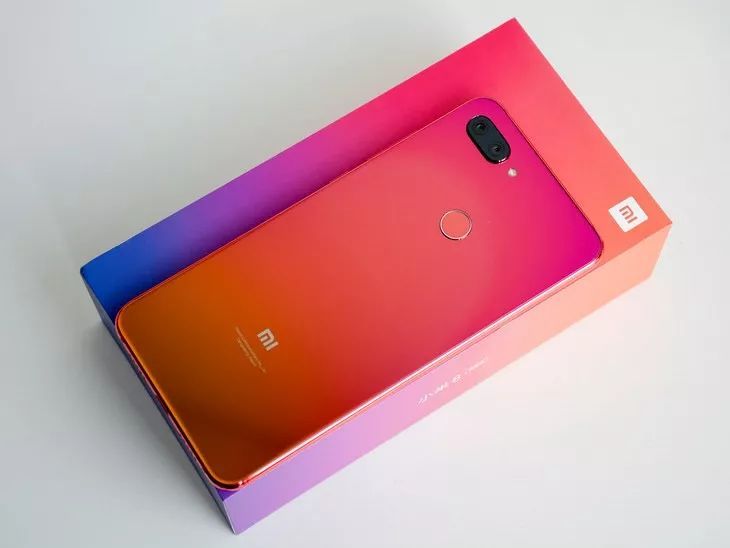
It is the first time that Xiaomi has tried to use the gradient color design, Dream Blue and Twilight Gold, on the rear panel. It seems that the gradient color is fit for the Youth. Vacuum nanometer magnetron sputtering process is applied to gradient color of Mi 8 Lite, the gradient color is also referred to the color combination of Claude Monet. Taking the Twilight Gold edition for an example, the top of the handset is rosy, while the bottom of the Xiaomi Mi 8 Lite is gold, and the middle edge is the gradient of rosy and gold.

Software

The Mi 8 Lite runs MIUI, which is a custom version of Android based on Android 8.0 Oreo. MIUI will eventually be updated to Android Pie, but while you get MIUI updates fairly regularly Android updates are less frequent.

MIUI is quite a departure from standard Android, removing the app tray, reorganizing and redesigning the drop-down notification bar, and reordering the Settings menu. 
It supports Dual Apps and Second Space, allowing you to take full advantage of that second SIM slot by installing multiple versions of each app, and create a second environment that is as good as using a second phone. There’s also Quick Ball and One-handed mode, both designed to improve usability with a larger display by placing onscreen a quick-access shortcut to common features or shrink the usable display area to 4.5-, 4- or 3.5 inches.

Performance

One clear area where Xiaomi has cut down on costs with the Mi 8 Lite is in substituting the flagship Qualcomm Snapdragon 845 processor seen elsewhere in the range for the Snapdragon 660. Both are octa-core chips, but this cheaper processor is built on the 14nm- rather than 10nm manufacturing process. It has four cores running at 2.2GHz and four at 1.8GHz.

This is the same processor we’ve seen previously in the Mi A2 and Mi Note 3, and performance is similar here – as high as 5861 points was possible in our Geekbench 4 tests, where we saw 4600 from the A2 (running Android One) and 5600 from the Mi Note 3. That’s a very good mid-range score.

Integrated to the Snapdragon 660 processor is the Adreno 512 GPU, clocked at 650MHz. Xiaomi has reportedly worked with both Tencent Games and Epic Games to optimise the Mi 8 Lite for gaming, and the chip has Vulkan API support that can balance CPU and GPU usage so that it is better able to support the multiple cores and reduce excess load on the processor. There is also 4- or 6GB of LPDDR4X RAM and 64- or 128GB of storage, along with the aforementioned microSD support.

Camera

Xiaomi Mi 8 Lite comes with 12MP+5MP rear camera. The 12MP camera adopts Sony IMX363 sensor. The camera for Xiaomi Mi 8 Lite is carries support AI mode that can identify and optimize the scene to further improve the results. The performance of camera for Xiaomi Mi 8 Lite is satisfying. Although in the overcast condition, the photo’s quality is good. There is no overexposure or underexposure of the picture too dark. In the close shots the performance is surprisingly well.

The front camera has 24MP with Sony IMX576 sensor, which carries support 4 in 1 pixel technology, can increase the brightness of the image under dark light. The quality of photo has been improved after taking by the front camera of Xiaomi Mi 8 Lite.The size of bottom of Xiaomi Mi 8 Lite is similar to Xiaomi Mi 8, and the forehead become narrower for there is no 3D structure optical module. But overall, the screen-to-body ratio of Xiaomi Mi 8 Lite is higher than Xiaomi Mi 8.

Battery

At 3,350mAh the battery is just 50mAh lower in capacity than the standard Mi 8, and 350mAh higher in capacity than the Mi 8 Pro. With the lower-spec hardware we anticipate you’ll get a full day’s life from the Lite, though obviously this will depend on your usage.

We ran the Geekbench 4 battery test and the Mi 8 Lite recorded 6 hours 22 minutes, which is significantly longer than the 5 hours 35 minutes the Mi A2 was able to achieve with its lower-capacity battery.

Full Specifications:

  • Android 8.1 Oreo, MIUI
  • Dual SIM, Dual Standby (Hybrid)
  • 6.26-inch Full HD+ 19:9 2.5D Curved Glass Display, 2280×1080 pixel resolution, ~400ppi
  • 2.2GHz Qualcomm Snapdragon 660 14nm processor
  • Adreno 512 GPU
  • 4GB  / 6GB LPDDR4x RAM
  • 64GB / 128GB internal storage, expandable up to 256GB with microSD
  • HSPA+, 4G LTE
  • Wi-Fi 802.11 ac (2.4GHz and 5GHz), Wi-Fi hotspot
  • Fingerprint scanner
  • Bluetooth v5.0
  • USB Type-C
  • GPS, A-GPS, GLONASS
  • Dimensions: 156.4 × 75.8 × 7.5mm
  • Weight: 169 g
  • Colors: Sunset Gold, Midnight Black, Aurora Blue
  • 3,350mAh non-removable battery

Xiaomi Mi 8 Review and Specs

By now, Xiaomi is widely regarded in the Philippines as a go-to brand for affordable yet powerful devices. The brand has been steadily increasing their presence locally, even setting up various Mi Stores at major locations. For more convenience you can also buy it through Lazada via Cash On Delivery.

Design and Display

The Mi 8 comes with a 6.21-inch FHD+ (2248 x 1080) AMOLED display designed by Samsung. Being an AMOLED display, colors are well-saturated, blacks are more visible and viewing angles are great. It may not have a QHD or 4K display, but the quality of its screen is more than enough to provide an enjoyable viewing experience.

It also has a generous 88.5% screen-to-body ratio, making it great for video and movie consumption. Xiaomi also removed the hassle of manually hiding the notch when watching videos as the phone does it automatically. The option is still there under the settings menu though if you wish to hide the notch even during normal operations.

The Xiaomi Mi 8 looks like an iphone X, there’s no way around it. From the positioning of the dual cameras to the size of the notch and even the speaker grills, it’s hard to tell the two apart side by side. Multiple phones have been accused of copying Apple over the years, but the Mi 8 is probably the closest resemblance we’ve seen so far. 

Software

Mi 8 runs on MIUI 9.5 on top of Android 8.1 Oreo. The UI is pretty straightforward — no app drawer as all the apps are managed by home screens. It’s still a simple and clean UI to use, especially if you’re already familiar with MIUI.

We do, however, have the pleasure of enjoying some nifty features such as Second Space (Splits the phone’s storage and operation into two), Full-Screen Gestures (replaces on-screen navigation for gestures), and dual apps. This is of course, on top of what Android Oreo has to offer. It’s almost close to a stock Android experience though with how minimal Xiaomi has enforced their own gimmicks.

Performance

Powering the Mi 8 is the powerhouse Qualcomm Snapdragon 845 paired with 6GB of RAM. The phone managed to handle everything we threw at no matter how graphics-heavy or intensive it was. Multitasking wasn’t a problem either thanks to the hefty 6GB of RAM.

Games are also a treat to play as even the heaviest of titles run buttery smooth on the device. We encountered almost no jitters, frame drops or lags with games like PUBG Mobile, Tekken 7, and Asphalt 9. Facial recognition was fast and very responsive, especially in bright areas as it instantaneously unlocks the device. Low-light performance is also impressive with only about a second of delay.

Camera

The Mi 8 comes with dual 12MP AI rear cameras and a 20MP front, with AI as well. The rear has 4-axis Optical Image Stabilization and dual-pixel AF. For modes, we have Short Video, Video, Photo, Portrait, Square, Panorama, Manual, a set of filters and Beauty Pro for the rear. The front, on the other hand, has all of the rear’s features except for Panorama and Manual. The AI functions of the shooters can be toggled on or off if ever you want an unedited version of your shots.

The image quality of the dual rear AI cameras is pretty impressive. Shots have amazing quality, sharpness, dynamic range and spot-on color reproduction and accuracy. The AI helps a lot in post processing images to the intended scenery, like food or nature. Low-light shots are also impressive despite noise being visibly noticeable. At first, we were even disappointed as noise was really evident on the camera UI but once the AI does its magic it became minimal. Auto-focus was also fast, snappy, and on-point. 


That amazing image quality translates to the front camera as well. Selfies are crisp and clear, have good color reproduction, sharpness, and accuracy. The AI also works flawlessly in smoothing out your skin without making it look too artificial. Beauty options are still there but we think the AI is more than enough for your selfie needs. Video maxes out at 4k/30fps. Auto-focus is quick and footages are crisp and clear with good dynamic range, sharpness, and color. The mic even picks up audio quite well.

Battery

The device comes with a 3,400mAh battery with Quick Charge 4+. Battery life is actually superb, we were getting about a day or two on minimal usage without WiFi and about a day with heavy usage on WiFi. During our standard video loop test, the phone lasted for a good 20 Hours and 35 Minutes, which is impressive. Charging from 0-100% takes about an hour to an hour and a half, thanks to QC4+.

Full Specifications:

  • Android 8.0 Oreo, MIUI 10
  • Dual SIM, Dual Standby (nano)
  • 6.21-inch AMOLED 18.7:9 Display, 2248 x 1080 pixel resolution, ~402ppi
  • Octa-core Qualcomm Snapdragon 845 64-bit 10nm processor
  • Adreno 630 GPU
  • 6GB RAM
  • 256GB internal storage
  • Dual-band WiFi 802.11 a/b/g/n/ac, WiFi hotspot
  • HSPA+, LTE
  • 12-megapixel (f/1.8, 1.4 μm) + 12-megapixel (f/2.4) rear cameras, OIS, PDAF, LED flash
  • 20-megapixel front-facing camera
  • Bluetooth 5.0, NFC
  • GPS, A-GPS, Beidou, Glonass
  • Dimensions: 154.9 x 74.8 x 7.6 mm
  • Weight: 175 g
  • Colors: Gold, Black, White, Blue
  • 3,400mAh non-removable battery, fast charging

Huawei Nova 2 Lite Review and Specs

Huawei instantly went to the spotlight when they launched the Nova 2i. During its time, the Nova 2i was able to offer better value for the money than its competitors from OPPO and Vivo, which is the primary reason why it became a crowd favorite. You can but it through Lazada via Cash On Delivery.

Display and Design

Huawei Nova 2 Lite uses a 5.99-inch IPS 18:9 panel with an HD+ resolution of 1440 x 720 pixel resolution, and a relatively high 76.3% screen-to-body ratio.

The side bezels on this handset are really impressive. There are just enough of them on the sides to protect the screen from accidental drops, while the bottom has just enough space to house the brand logo. The top has the front camera and the other hardware.

The taller aspect ratio also provides a more immersive feeling when playing games. Plus, the extra space provides room for on-screen controls without blocking the actual field-of-view of the game.

The Huawei Nova 2 Lite is one good-looking device. Right from the first look, we already fell in love with its 5.99-inch FullView screen. The display takes up almost all the entire space on the front, resulting in an impressive screen-to-body ratio.

Thanks to its ultra-thin bezels, the Huawei Nova 2 Lite feels really compact despite its 5.99-inch screen. This is one of the perks of having an 18:9 aspect ratio display. Having smaller bezels means that the screen can maximize the space, resulting in a bigger display size without a noticeable increase in the overall footprint.

Software

Running the software department is Huawei’s very own EMUI 8 on top of Android 8.0 Oreo. It’s nice to see phones finally having Android Oreo right out of the box, especially at this price point.


The UI is your standard home screen affair where you access all of your apps by swiping left or right. It has its own set of icons and wallpapers. If you’re not a fan of the look, you can easily remedy that by downloading your favorite launcher.

The UI is your standard home screen affair where you access all of your apps by swiping left or right. It has its own set of icons and wallpapers. If you’re not a fan of the look, you can easily remedy that by downloading your favorite launcher.

When it comes to apps, we have the usual Google package, along with Facebook, Messenger, Instagram, and Booking.com which you can uninstall. The rest is Huawei’s own native apps.

Performance

The Huawei Nova 2 Lite is equipped with a 1.4GHz Qualcomm Snapdragon 430 processor with 3GB of RAM, Adreno 505 GPU, and 32GB of internal storage that can go up to 256GB.

The performance does feel smooth at first, especially when you’re just browsing the interface. However, you can feel it struggling when you launch an app like Facebook, Instagram, or Google Chrome.

Flicking through the news feed feels a little slow and a little jittery. Some apps also launch at a slow rate.

On the other hand, games do run a little better on this phone. I tested the new PUBG Mobile and it ran acceptably well. Although it automatically set the graphics settings to low, it was still playable. Those who want a good gaming experience should definitely look somewhere as the Huawei Nova 2 Lite won’t cut it.  There were frame drops, and the elements in the environment take a few moments to render. But still, judging by the 3 kills I managed to accomplish, consumers can still have a good time playing on this thing. Overall, the performance of the Huawei Nova 2 Lite is just average. But with the other things that this device offers, it’s processing prowess isn’t going to make or break the deal that much.

Camera

The Nova 2 Lite rear camera is composed of a standard 13MP camera and a 2MP wide-angle bokeh lens with 7-level bokeh adjustment while the front is equipped with an 8MP shooter accompanied by a soft light LED flash.

In-camera features include HDR, Panorama, Document scan, Good food mode, Audio Control, smile to capture, Ultra snapshot, filters, watermark, Beauty mode with 10 beauty levels, and Wide-Aperture mode that can simulate f/1.0 to f/7.0 apertures. Sadly, there’s no Manual mode.

As for quality, the rear dual cameras can produce good images in brightly lit conditions. Shots have average to above average detail, color reproduction, and accuracy. Macro shots are beautiful as long as you have enough lighting, otherwise, shots will have noticeable grain and low sharpness. The wide-aperture bokeh is also a welcome addition and is a very fun tool to have. Although, shots at maximum level tend to come out as too artificial and not as good as its flagship cousins like the Mate 10 or Mate 10 Pro. Despite the shortcomings, the rear duo is still a good set of cameras considering the price range.

The 8MP front camera, on the other hand, is just your average selfie shooter. Images in abundant sunlight, while good in detail, are overblown and overexposed. You’ll have to move to an area with just the right amount of light for selfies to become stable and nice. Overall quality is decent and color reproduction, accuracy and, sharpness is just about right. It won’t impress but it is enough for daily use and social media uploads.

Battery

The Huawei Nova 2 Lite is equipped with a 3,000mAh battery out of the box. That’s pretty much the standard capacity you can get from a device of this caliber.

Performance wise, the battery also delivered good longevity. This means that you’d also be charging this every night like what you’d do in most smartphones today.

After running PCMark’s battery test (WiFi Off, screen brightness and volume set to 50%) the Nova 2 Lite had a screen-on time of 7 hours and 9 minutes.

Full Specifications:

  • Android 8.0 Oreo, EMUI 8.0
  • Dual SIM, Dual Standby
  • 5.99-inch HD+ IPS 18:9 Display, 1440 x 720 pixel resolution
  • 1.4GHz Qualcomm Snapdragon 430 processor
  • Adreno 505 GPU
  • 3GB RAM
  • 32GB internal storage, expandable up to 256GB via micro SD
  • Face unlock, Fingerprint scanner
  • Wi-Fi 802.11 b/g/n, Wi-Fi hotspot
  • HSPA+, 4G, LTE
  • 13-megapixel rear camera with autofocus and LED flash
  • 2-megapixel secondary rear camera
  • 8-megapixel front camera with toning flash
  • GPS, A-GPS, GLONASS
  • Sensors: Proximity sensor, Accelerometer, Ambient light sensor
  • Dimensions: 158.3×76.7×7.8mm
  • Weight: 155g
  • Colors: Matte Black, Blue, Gold
  • 3,000mAh non-removable battery

Xiaomi Mi Max 3 Review and Specs

Xiaomi has upgraded the biggest smartphone in its line-up, with the Mi Max 3 boasting a larger than ever 6.9inch screen. Even if you’re not a lover of big-screen phones, it’s difficult not to see the appeal of the Mi Max 3, which is best-described as a super-sized version of the insanely popular Redmi Note 5. It’s an affordable smartphone with a great screen on which to play games, watch movies and get stuff done, and it has capable performance for daily use. Here in the Philippines you can buy it through Lazada via Cash On Delivery.

Display and Design

Xiaomi Mi Max 3 offers 6.9-inch IPS LCD running a 2,160 x 1,080-pixel resolution in an 18:9 resolution. That gives it a pixels-per-inch measurement of 350, making it far from one of the sharpest phones we’ve ever seen, but it should be clear enough for most. Slim bezels run up the sides of the phone, leading into a fairly slim forehead and chin. Not the slimmest we’ve seen, but not terrible for a midrange phone.

The case of the Xiaomi Mi Max 3 is made of metal and offers a good grip due to its very rounded edges. Since the display sticks out above the body by about 1 mm (~0.04 in), it looks as if it was placed on top of the base, but it still fits well into the overall appearance. The transitions between the materials fit tightly and show very good workmanship.

Software

Mi Max 3 runs on Android 8.1 Oreo, but it will be hidden under MIUI 9.5, the latest version of Xiaomi’s Android skin. MIUI isn’t a terrible re-skin of Android, but it’s certainly different, so it’s fair to expect some different-looking menus and settings on the Mi Max 3. However, Xiaomi’s update game is good, and you can probably expect the Mi Max 3 to receive the MIUI updates for Android P and Android Q.

Performance

The Mi Max 3 swaps the Snapdragon 625 for the 636, here clocked at 1.8GHz and now with integrated Adreno 509 graphics. As such performance gets a boost from the new 14nm octa-core chip – and perhaps we would have seen even better results had we tested the 6GB RAM model.

In Geekbench 4, for example, the multi-core score shot up from 4300 points to 4716. It’s not going to make a huge difference to everyday use, but it is at least going in the right direction (which couldn’t be said for the Mi Max 2 in comparison to the original). 

Graphics performance has also improved, but this is still no powerhouse in this regard. Previously able to achieve 22fps in GFXBench T-Rex, the new-generation Mi Max can handle 34fps. This is a playable framerate, but you won’t want to tax it with anything too intensive.

In real-world usage the Mi Max 3 feels fluid, with apps – even the camera – launching quickly, and the phone rarely pausing to breathe. The fingerprint sensor, found at the rear of the device, also works well.

Camera

The Mi Max 3 offers a 12+5 MP dual camera system with an f/1.9 aperture on the back and an 8 MP front camera with an f/2.0 aperture. With the latter, you can take portrait pictures of mediocre quality. While the details are reproduced well in the foreground and background, there is some very coarse graininess even without the zoom. This prevents color transitions from appearing cleanly and blends light and dark areas together, instead of them remaining separated. In Portrait mode, you can influence the image by adjusting the skin tone, eye size, or width of the chin, for example.

The main camera of the Mi Max 3 is well-suited for the occasional panorama picture. Large brightness differences only cause limited problems for the Xiaomi phablet. In dark image areas, details remain recognizable and can be distinguished from other objects. The whole image offers many details, although they become slightly blurry when zooming in. In close-ups, this blurriness even occurs with objects that remain outside the focal range. Even though this effect is only slight, it is still noticeable.

Colors appear saturated, and light and dark areas are well delineated in the image here as well. Details also remain recognizable. However, at the edges of the images there is some slight graininess that can only be seen when zooming in. Under bad light conditions, objects in the image barely remain recognizable, with large areas of the image becoming black. You can adjust the values for white balance, ISO, shutter speed, and focus via a manual photo mode to influence the image quality.

Video-recordings with the Xiaomi smartphone produce a similar result as our example pictures. An image stabilizer compensates for smaller movements. While the camera app of the Mi Max 3 does not offer a professional mode for videos or something similar, there is a Time Shift and a Time Lapse mode.

Battery

Battery life is very good from the 5,500mAh cell – double the capacity of that found in some Android phones. Obviously how long it will last depends on how you use the Mi Max, but we can see two days being easily obtainable here. Xiaomi says it is good for 17 hours of video playback.

There is no wireless charging, but the Mi Max 3 does support Quick Charge 3.0. Despite having such a huge battery to refill you can obtain as much as 71% charge in just one hour.

Full Specifications:

  • Android 8.1 Oreo, MIUI 9
  • Dual SIM, Dual Standby (Hyrbrid)
  • 6.9-inc Full HD+ 18:9 IPS 2.5D Curved Glass Display, 2160 x 1080 pixel resolution, 84% NTSC color gamut
  • 1.8GHz octa-core Snapdragon 636 14nm processor
  • Adreno 509 GPU
  • 4GB /6GB LPDDR4x  RAM
  • 64GB / 128GB (eMMC 5.1) storage
  • 12-megapixel Sony IMX363 rear camera, f/1.9 aperture, 1.4µm pixel size, Dual PD focus, LED flash
  • 5-megapixel secondary rear camera
  • 8-megapixel front camera, f/2.0 aperture, 1.12μm pixel size, soft LED flash
  • HSPA+, Dual 4G VoLTE
  • Wi-Fi 802.11ac (2.4GHz / 5GHz), Wi-Fi hotspot
  • Infrared sensor
  • Bluetooth v5.0
  • Fingerprint sensor
  • GPS, A-GPS, GLONASS
  • 3.5mm audio jack
  • USB Type-C
  • Dimensions: 176.15×87.4×7.99mm
  • Weight: 221g
  • 5,500mAh non-removable battery